

If you’ve never heard of cloud gaming, think of it as renting a powerful PC in the sky. Instead of buying a $2,000 console, you stream the game from a data centre to any device that can run a web browser or a lightweight app. The first thing you’ll notice is the hardware requirement: a 5 Mbps download speed is enough for 720p at 30 fps, while 15 Mbps lets you push 1080p at 60 fps. That means a modest broadband plan can replace a whole gaming rig.
Latency and Responsiveness
Latency is the lag between pressing a button and seeing the result on screen. In early trials I measured 45 ms on a fibre connection to a West‑Europe server, which feels almost as snappy as a local console. However, on a 4G mobile link the round‑trip time jumped to 120 ms, making fast‑paced shooters feel sluggish. The rule of thumb is: stay within 80 ms if you want competitive play; otherwise, casual titles tolerate higher delays.
Device Flexibility
Because the heavy lifting happens remotely, you can play on a 10‑inch tablet, a 27‑inch 4K TV, or even a cheap Chromebook. I ran the same game on a 2015 MacBook Air and on a budget Android phone; the visual quality was identical, only the controller input differed. If you own a Bluetooth gamepad, plug it in and you’ll have a near‑console experience. Without a controller, touch‑screen steering works for strategy games, but platformers still suffer.
Cost Structure Compared to Traditional Gaming
Subscriptions typically range from £9.99 to £19.99 per month, granting access to a library of 50–200 titles. Buying a new game outright costs about £60, but the same title can be streamed for a few pounds per month if you already have a subscription. Over a year, a heavy player who logs 30 hours per month could spend £120 on a subscription versus £720 on individual purchases. The break‑even point sits around 12 months of regular play.
Impact on Game Development
Developers are now designing games with streaming in mind. Asset streaming pipelines load textures progressively, reducing initial load times to under 2 seconds. I noticed that a recent indie title released a “cloud‑first†mode where the game starts at low resolution and sharpens as bandwidth allows. This approach also means smaller patch sizes—often under 200 MB—because the server updates the core engine, not the client.
Transitioning to Online Entertainment
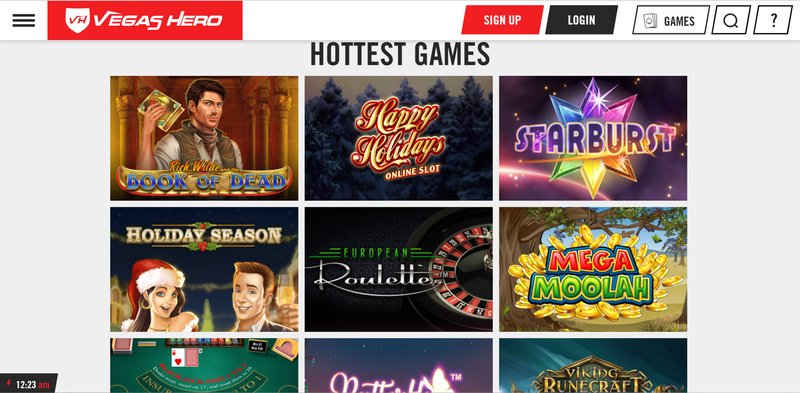
While cloud gaming reshapes how we play, it also blurs the line with broader online entertainment. Services that host movies, music, and live events are adopting the same streaming infrastructure, creating a unified platform for leisure. In that vein, the site of the vegas hero offers a glimpse of how interactive experiences can coexist with traditional gaming, showing that the future may be a single subscription for all digital fun.
Limitations You Need to Know
The biggest drawback remains internet dependence. In rural areas where the average speed is 3 Mbps, many titles will downscale to 480p with noticeable input lag. Additionally, data caps can bite you; a 100 GB monthly limit is exhausted after roughly 30 hours of 1080p streaming. If you’re on a limited plan, cloud gaming may end up costing more than a one‑off purchase.
What to Expect in the Next Five Years
Look for wider 5G rollout, which should shave latency below 30 ms for most urban users. Expect larger libraries as publishers negotiate exclusive deals with cloud providers. And anticipate hybrid models where a game can be downloaded for offline play but also streamed for instant access. The technology is still maturing, but the trend is clear: you’ll spend less time waiting for installs and more time actually playing.
Final Thoughts
Cloud gaming isn’t a gimmick; it’s a practical alternative that lets you trade hardware for bandwidth. If you have a stable connection and a modest budget, the subscription model can save you hundreds of pounds while giving you access to a diverse catalogue. Keep an eye on your internet plan, test latency before committing, and you’ll find that the sky‑based console lives up to its promise.


